January 13, 2026
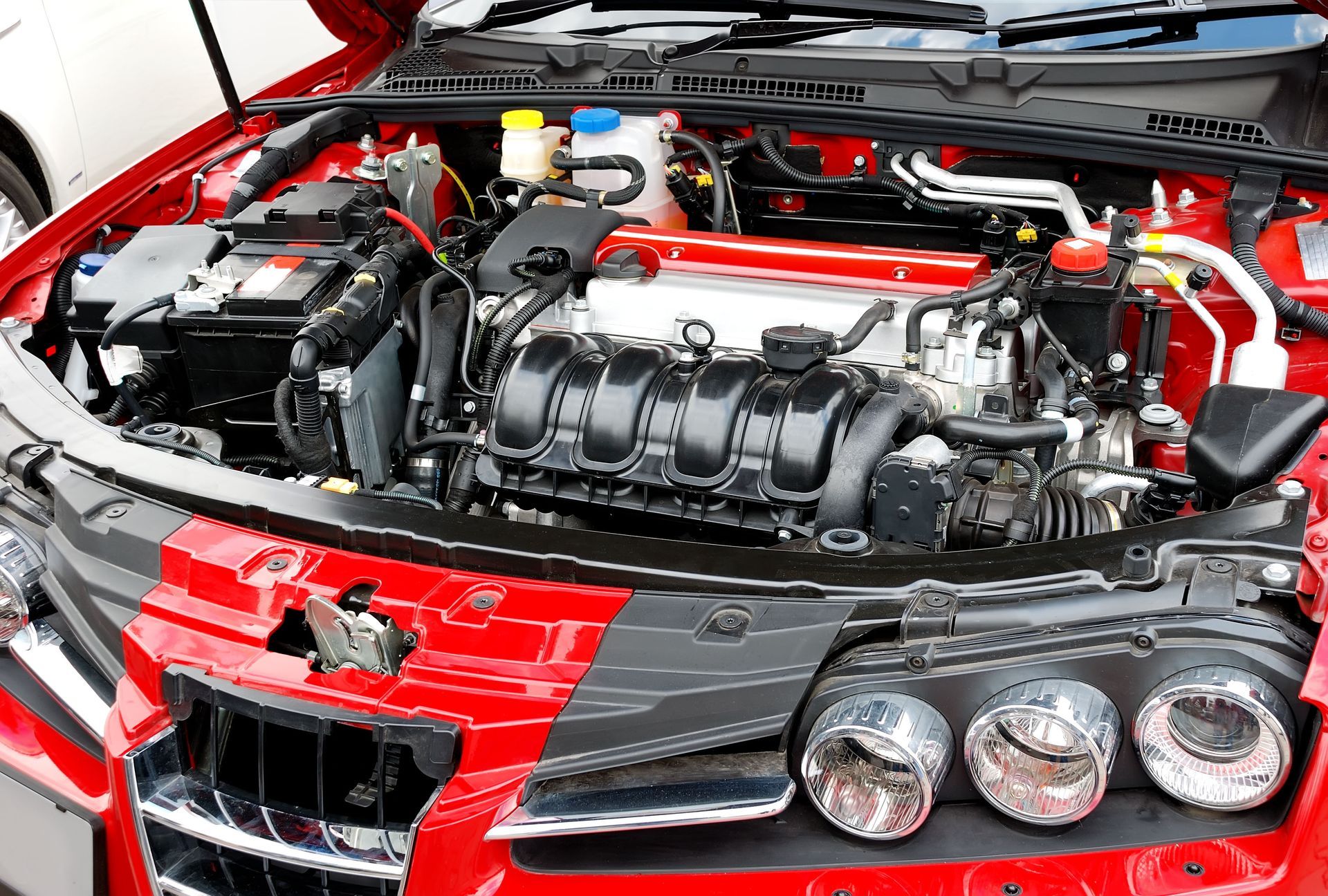
Owning a vehicle is a long-term investment, and like any investment, it requires consistent care to perform at its best. Whether you rely on your car for daily commuting, family errands, or long road trips, routine maintenance and smart repair habits can make a noticeable difference in how smoothly it runs and how long it lasts. Many drivers wait until a warning light appears or something breaks before taking action, but proactive auto care is often more affordable and far less stressful than reactive repairs.
It's also worth noting how common auto repair services really are. According to Sharpsheets.io, over 75% of Americans use an auto repair service at least once per year. That statistic highlights just how essential reliable maintenance and repairs are for most drivers. Partnering with a trusted local auto repair shop gives you access to professional insight, early problem detection, and services tailored to your driving habits and vehicle type. With that in mind, the following tips will help you keep your car running smoothly while avoiding unnecessary downtime and expenses.
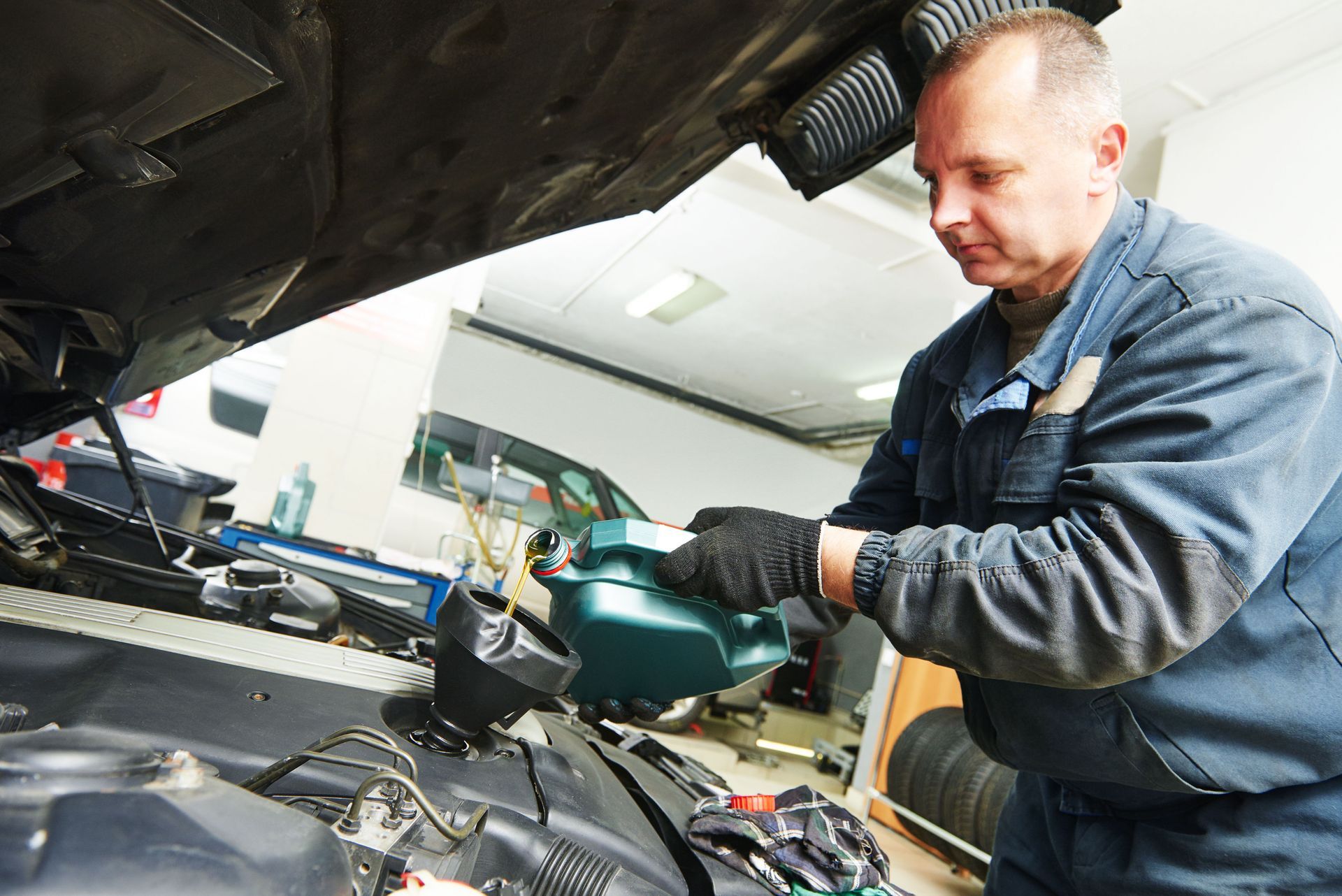
1. Stay Consistent With Oil Changes
Regular oil changes are one of the simplest yet most critical steps in maintaining engine health, yet they're often delayed or overlooked by busy drivers. Engine oil lubricates moving parts, reduces friction, and helps regulate internal temperatures as the engine runs. As oil circulates, it also picks up contaminants like dirt, metal particles, and combustion byproducts. Over time, oil breaks down and becomes contaminated, reducing its ability to protect vital engine components. When old oil isn't replaced, friction and heat increase, which can accelerate wear, lower fuel efficiency, and lead to costly engine damage. Sticking to a consistent oil change schedule helps preserve performance, supports engine longevity, and allows technicians to spot early signs of leaks or mechanical issues before they become serious problems.
Skipping or delaying oil changes can lead to increased engine wear, overheating, and even severe engine damage. Most vehicles require an oil change every 3,000 to 7,500 miles, depending on the type of oil used and driving conditions. A local auto repair shop can recommend the right oil and service interval for your specific vehicle, ensuring optimal engine performance and longevity.
2. Don't Ignore Dashboard Warning Lights
Modern vehicles are equipped with advanced sensors designed to alert drivers when something isn't right. While it can be tempting to ignore a warning light if the car seems to be running fine, doing so can allow minor issues to develop into costly repairs.
The check engine light, brake warning light, and temperature warning light all indicate systems that require immediate attention. Visiting a local auto repair shop as soon as a warning light appears allows technicians to diagnose the issue early, often saving you time and money while preventing further damage.
3. Keep Up With Tire Maintenance
Your tires are the only part of your vehicle that makes direct contact with the road, making their condition essential for safety, fuel efficiency, and overall ride comfort. When tires are properly maintained, they provide better traction, predictable handling, and shorter stopping distances in both dry and wet conditions. Proper tire maintenance includes regular pressure checks, rotations, alignments, and timely replacements, all of which work together to promote even tread wear. Underinflated or misaligned tires can cause your vehicle to pull to one side, reduce fuel economy, and increase the risk of blowouts. Keeping tires in good condition also helps protect suspension components and delivers a smoother, quieter driving experience over the long term.
Underinflated or unevenly worn tires can reduce fuel economy, compromise handling, and increase stopping distances. A reputable local auto repair shop can inspect your tires during routine visits, recommend rotation schedules, and identify alignment issues before they lead to premature tire wear or unsafe driving conditions.
4. Replace Filters on Schedule
Filters play a key role in keeping your vehicle's systems clean and functioning properly. This includes engine air filters, cabin air filters, and fuel filters. When filters become clogged, airflow and fuel delivery can be restricted, leading to reduced performance and efficiency.
Replacing filters on schedule improves engine responsiveness, fuel economy, and interior air quality by allowing key systems to operate without restriction. Engine air filters prevent dust and debris from entering the engine, while fuel filters keep contaminants from reaching sensitive fuel system components. Cabin air filters play an equally important role by trapping pollen, exhaust particles, and other pollutants before they enter the vehicle's interior. During regular maintenance appointments, a local auto repair shop can check filter conditions and replace them as needed, preventing clogged filters from reducing airflow or forcing systems to work harder than necessary. Fresh filters help your vehicle breathe easier, support consistent performance, and create a cleaner, more comfortable driving environment.
5. Pay Attention to Brakes and Suspension
Brakes and suspension systems are vital for both safety and comfort. Squeaking, grinding, or vibrating brakes should never be ignored, as they may indicate worn pads, warped rotors, or hydraulic issues. Similarly, suspension problems often present as excessive bouncing, uneven tire wear, or poor handling.
Addressing these concerns promptly keeps your vehicle safe and stable on the road. A trusted local auto repair shop can inspect brake components and suspension systems, recommend necessary repairs, and help you avoid more serious issues that could compromise your ability to stop or steer safely.
6. Follow the Manufacturer's Maintenance Schedule
Every vehicle comes with a manufacturer-recommended maintenance schedule outlining when specific services should be performed. This includes timing belt replacements, transmission servicing, coolant flushes, and spark plug changes. These intervals are based on extensive testing and are designed to keep your vehicle operating efficiently.
Sticking to this schedule reduces the likelihood of unexpected breakdowns and extends the life of your car by addressing wear and service needs before they turn into major problems. Manufacturer-recommended maintenance intervals are designed to replace components and fluids at the point where performance typically begins to decline. A knowledgeable local auto repair shop can track your maintenance history, remind you of upcoming services, and identify patterns that may indicate developing issues. They can also tailor recommendations based on your driving habits, mileage, and local conditions such as stop-and-go traffic or extreme temperatures. This proactive approach helps maintain reliability, protects critical systems, and supports long-term vehicle value.
7. Build a Relationship With a Trusted Repair Shop
One of the most overlooked auto repair tips is the value of consistency when it comes to who services your vehicle. Building a long-term relationship with a dependable local auto repair shop means technicians become familiar with your car's history, common issues, and maintenance patterns over time. This familiarity allows for quicker diagnostics, more accurate repair recommendations, and a better understanding of what services are truly necessary versus optional. When the same shop regularly cares for your vehicle, potential problems are easier to spot early, helping prevent unexpected repairs and downtime. Just as importantly, a trusted relationship creates confidence and transparency, giving you peace of mind that your car is being serviced with its long-term performance and safety in mind.
This familiarity leads to more accurate diagnostics, personalized advice, and a higher level of trust. Instead of feeling uncertain about every repair recommendation, you gain confidence knowing your vehicle is being cared for by professionals who prioritize its long-term performance and your peace of mind.
Keeping your car running smoothly doesn't require advanced mechanical knowledge, but it does require attention, consistency, and the right professional support from a reliable local auto repair shop. From routine oil changes and tire care to addressing warning lights and following manufacturer guidelines, small steps taken regularly can prevent major repairs down the road. Reach out to the experts at Poutous 1960 Auto Repair today to learn more!