February 18, 2026
Understanding the difference between preventive and corrective auto repairs is essential for anyone who wants to maintain a reliable, long-lasting vehicle without facing constant unexpected expenses. Preventive care focuses on avoiding problems before they happen, while corrective care addresses issues after they arise. Both are important, but they serve different purposes that can influence your car’s lifespan, safety, and total cost of ownership. According to Sharpsheets, over 75% of Americans use an auto repair service at least once per year, which shows just how common maintenance and repair needs truly are. By learning how these service types differ, drivers can stay ahead of issues and protect their investment.
Defining Preventive Auto Repairing
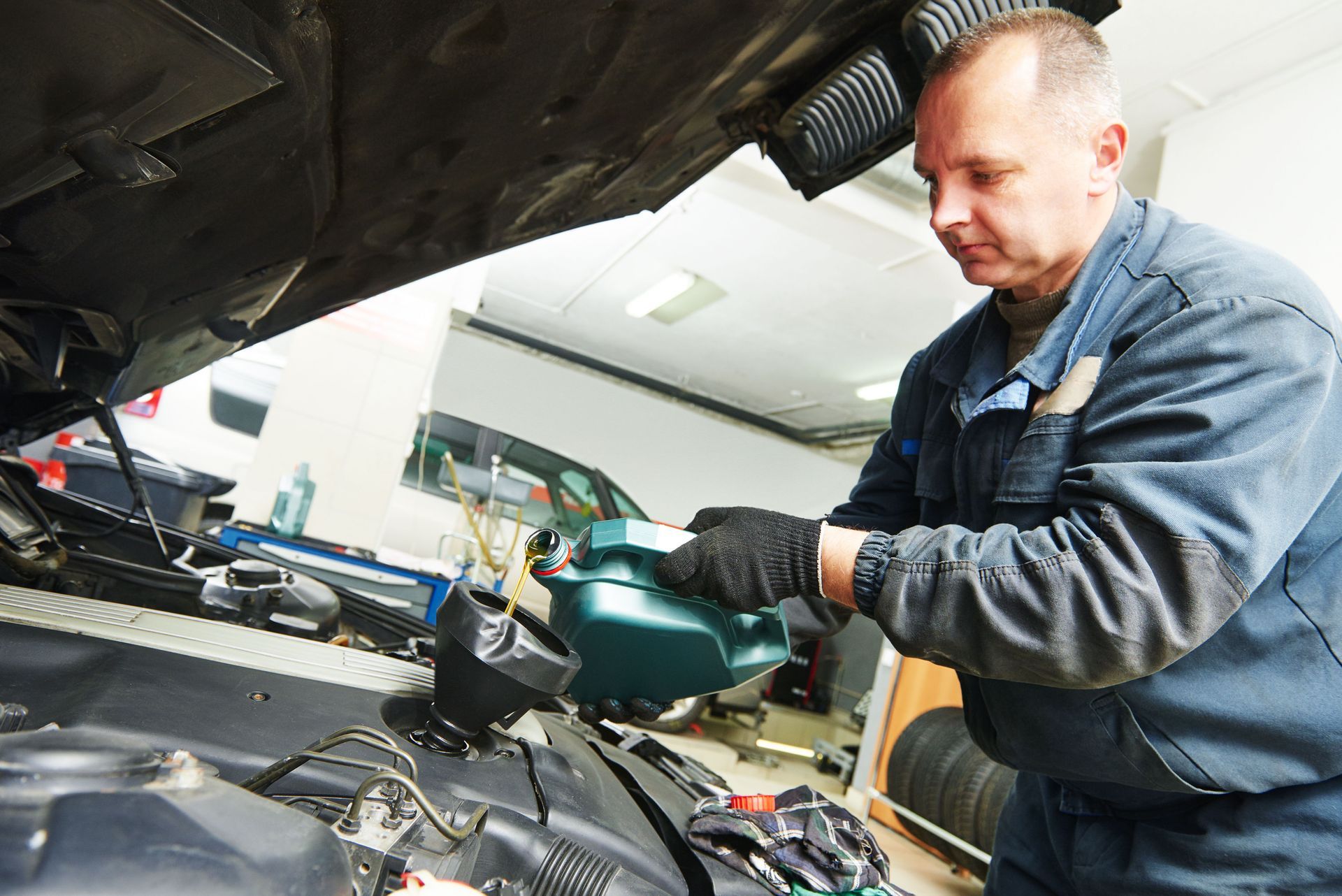
Preventive auto repairs refers to routine services meant to keep your vehicle in optimal condition and prevent future breakdowns. This includes oil changes, tire rotations, fluid flushes, filter replacements, and regular inspections of major components. These proactive steps help your vehicle operate smoothly by reducing strain, preventing overheating, and ensuring that moving parts remain properly lubricated. Preventive work also allows technicians to identify early warning signs before they develop into larger problems, giving you more control over your car’s long-term performance and financial demands.
Another important aspect of preventive auto repair is that it supports vehicle efficiency and safety. When systems are maintained regularly, your engine runs cleaner, your tires wear more evenly, and your brakes respond properly. All of this contributes to better fuel economy and safer driving conditions. Even though preventive maintenance requires periodic spending, it is far less costly than paying for major repairs caused by long-term neglect. This type of servicing is the best way to extend your vehicle’s lifespan while keeping it dependable for daily use.
Defining Corrective Auto Repairs
Corrective auto-repairing involves fixing issues once they have already occurred. Common examples include replacing worn brake pads, repairing transmission problems, fixing exhaust leaks, or addressing engine misfires. Unlike preventive care, which aims to stop issues from happening, corrective service steps in only after a problem is noticeable. These repairs often come with higher costs because they require more labor, diagnostic work, and sometimes major component replacement. While corrective repairs are inevitable for any vehicle, they tend to become more frequent when preventive maintenance is ignored.
Corrective auto-repairing can also be more disruptive to your schedule because many problems require immediate attention. For example, if your car begins to overheat or your brakes start grinding, you may be unable to drive safely until the issue is repaired. While preventive care gives you the opportunity to plan ahead, corrective repairs often happen suddenly and can create financial stress. Because of this, drivers benefit from understanding how preventive work can dramatically reduce the need for unplanned corrective service over time.
Comparing Preventive and Corrective Repairing
When comparing preventive and corrective repairs, the biggest differences lie in timing, cost, and vehicle impact. Preventive maintenance is planned, predictable, and typically low in cost. Corrective repairs, on the other hand, occur when parts fail and can be expensive, inconvenient, and potentially dangerous. While preventive work focuses on preserving vehicle health, corrective service focuses on restoring functionality after something goes wrong. Both are necessary, but preventive measures help keep corrective repairs to a minimum.
Another major distinction is the level of control each approach gives the vehicle owner. Preventive auto repairs empower drivers to manage costs, schedule service at convenient times, and avoid emergencies. Corrective repairs remove that sense of control because they are reactive and often urgent. Understanding these differences helps car owners prioritize actions that keep their vehicles in optimal shape for the long term while avoiding unnecessary repair expenses.
Evaluating Cost Differences When Repairing
The cost difference between preventive and corrective repairs is one of the most compelling reasons to prioritize routine maintenance. Preventive work typically involves low-cost services performed at set intervals, making it easy to budget over the course of a year. Basic tasks like oil changes or filter replacements help protect large and expensive systems from long-term damage. When compared to the high price of engine repairs, transmission replacements, or extensive electrical diagnostics, preventive care is far more affordable and predictable.
Corrective repairing becomes significantly more expensive because it often involves resolving damage that has already spread to surrounding components. A simple example is ignoring worn brake pads—the pads themselves are inexpensive, but delaying replacement can damage the rotors and calipers, leading to a much larger repair bill. By evaluating these cost differences, drivers can clearly see how preventive care functions as a long-term savings strategy rather than an inconvenience or optional expense.
Extending Vehicle Life Through Repairing
Consistent preventive maintenance directly supports the longevity of your vehicle. When parts are maintained regularly, they experience less friction, reduced heat, and fewer internal stresses. This creates a smoother operating environment for your engine, transmission, brakes, and suspension. Vehicles that receive consistent preventive care often last tens of thousands of miles longer than those that rely mostly on corrective repairs. Routine checks also help uncover issues early enough to prevent widespread damage, allowing your car to age more gracefully.
Corrective repairing still plays an important role in extending your vehicle’s life, but only when problems are addressed promptly. If issues are ignored, they can lead to catastrophic breakdowns that shorten the lifespan of major components. By balancing preventive and corrective services and acting quickly when problems arise, you can maximize your vehicle’s durability and overall value. This combination of proactive and reactive care ensures that your vehicle remains dependable for many years.
Identifying Preventive Needs When Repairing
Identifying when your vehicle needs preventive repairing is easier when you follow the maintenance schedule recommended by your manufacturer. This schedule outlines mileage-based services and helps you stay ahead of potential issues. Preventive needs also become clear through dashboard warning lights, unusual noises, reduced fuel efficiency, or uneven tire wear. Even small changes in vehicle performance can signal the need for maintenance before a costly repair becomes necessary.
Another way to identify preventive needs is through routine inspections performed by a trusted mechanic. During scheduled service visits, technicians can evaluate fluid levels, brake conditions, battery strength, and other critical components. This allows them to detect early signs of wear that the average driver may overlook. Staying attentive to these indicators helps reduce the likelihood of more serious mechanical failures and keeps your vehicle running smoothly year-round.
Managing Corrective Needs When Repairing
Managing corrective needs with auto repairs requires quick action once a problem becomes noticeable. If your engine starts misfiring, your brakes begin squeaking, or your car pulls to one side, these symptoms often indicate issues that require immediate corrective repair. Addressing problems early prevents the damage from spreading and reduces the overall severity of the repair. Waiting too long can turn a minor issue into a major breakdown that demands far more time and money to resolve.
Drivers should take corrective needs seriously because they often affect safety. For example, brake issues, steering problems, or overheating engines can create dangerous driving conditions. By responding quickly and consulting a professional technician, you can restore your vehicle’s performance while protecting yourself and others on the road. Even though corrective repairs may feel inconvenient, they are essential for maintaining safe and reliable transportation.
Supporting Vehicle Health Through Repairing
Supporting your vehicle’s overall health requires a blend of preventive and corrective maintenance approaches. Preventive care keeps your vehicle in a stable, healthy condition, while corrective repairs solve issues that naturally arise from daily use. The best strategy is to view both types of repairs as complementary rather than competing. Together, they form a complete maintenance plan that ensures your vehicle operates efficiently, safely, and dependably at all times.
Drivers who stay engaged with both preventive and corrective services often face fewer unexpected breakdowns and enjoy smoother, more consistent performance. This balanced approach also lowers long-term ownership costs because well-maintained components last longer and require fewer replacements. Ultimately, keeping your car healthy is not about avoiding repairs altogether—it is about managing them strategically and responsibly.
By understanding how preventive and corrective repairs differ, drivers can make informed decisions that protect their vehicles and their wallets. Preventive work keeps your car running at its best, while corrective service restores performance when failures happen. For expert assistance with both types of auto repairs, consider reaching out to Poutous 1960 Auto Repair for dependable service you can rely on. Contact us today to schedule your next appointment and keep your vehicle performing at its highest level.